
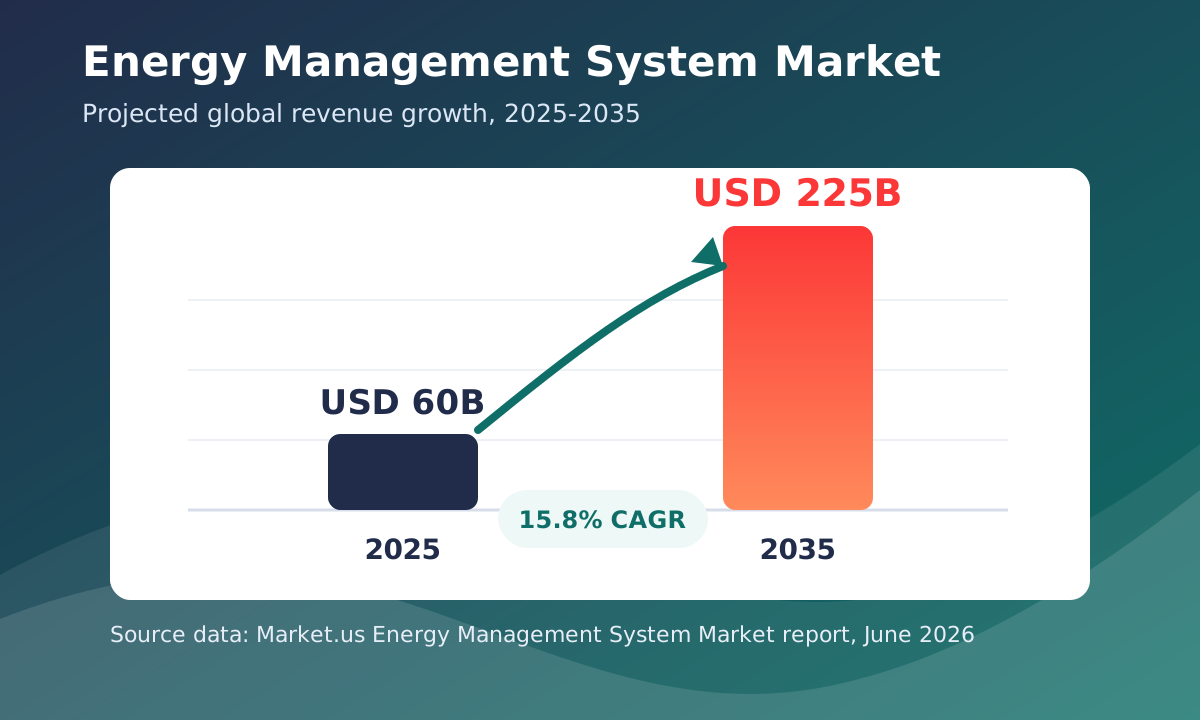
Energy Management Systems are moving from a specialist facility tool to a core part of digital energy infrastructure. A June 2026 Market.us report estimates that the global EMS market was valued at USD 60.0 billion in 2025 and could reach USD 225.0 billion by 2035, growing at a 15.8% compound annual growth rate.
This growth reflects a simple reality: organisations need better ways to monitor, control, and optimise energy consumption. Rising electricity demand, industrial electrification, data centre expansion, renewable integration, and tighter efficiency regulation are all increasing the value of real-time energy intelligence.
Why EMS Is Becoming Strategic
Energy efficiency is no longer only a cost-reduction programme. It is becoming a strategic capability for companies, cities, utilities, and public institutions that need to reduce emissions while maintaining resilience and operational performance.
Modern EMS platforms connect metering, sensors, controls, analytics, and reporting workflows. When these systems are implemented well, they help operators identify waste, shift demand, prioritise retrofit investments, and demonstrate progress against energy and carbon targets.
AI and Cloud Platforms Improve the Business Case
The report identifies cloud-based deployment as the leading EMS deployment mode, with half of the market share. Cloud platforms make it easier to manage multiple facilities from one interface, integrate IoT data, and scale energy optimisation across portfolios.
AI analytics strengthen that model by turning raw consumption data into decision support. Forecasting, anomaly detection, automated recommendations, and demand response can help energy teams move beyond dashboards toward active optimisation. For organisations without large internal energy departments, this intelligence can make EMS adoption more practical and measurable.
Industrial Energy Management Leads the Market
Industrial Energy Management Systems account for the largest type segment in the report. That makes sense: manufacturing sites, utilities, and heavy industrial facilities consume large amounts of energy and generate complex operational data.
In these settings, even small improvements can produce meaningful savings. EMS platforms can help align production schedules with tariff signals, monitor equipment performance, automate load shifting, and support compliance with energy audit and reporting requirements.
Regulation Is Accelerating Adoption
Policy is also pushing the market forward. The report points to energy-efficiency directives, building-performance requirements, audit standards, and carbon-reporting obligations as drivers that are turning energy management from a voluntary initiative into an operational necessity.
For European organisations, this is especially important. Energy efficiency first, zero-emission building targets, and renovation roadmaps all increase the need for credible data, recurring monitoring, and digital evidence of progress.
The Main Challenge: Integration Cost
The opportunity is large, but implementation still requires care. EMS deployments can involve metering upgrades, controls integration, legacy-system interoperability, cybersecurity planning, and change management. For SMEs and mid-market operators, upfront cost and uncertain payback can slow adoption.
This is where a pragmatic digital strategy matters. Organisations should start with high-value use cases, connect the data sources that matter most, and build from monitoring into optimisation. AI can help, but only when the data foundation, operational process, and business objective are clear.
What This Means for the Green Transition
The EMS market forecast shows that digital energy management is becoming a key enabler of the green transition. Better energy data can reduce waste today, while AI and cloud control can prepare organisations for a more flexible, renewable, and decentralised energy system.
For IKIM Digital Solutions, this is exactly where digitalisation creates impact: transforming energy data into practical tools for efficiency, resilience, and decarbonisation. As the EMS market grows, the organisations that combine technical integration with clear operational value will be best positioned to benefit.
Source: Market.us, "Energy Management System Market Size, Share And Analysis Report".